
 By admin
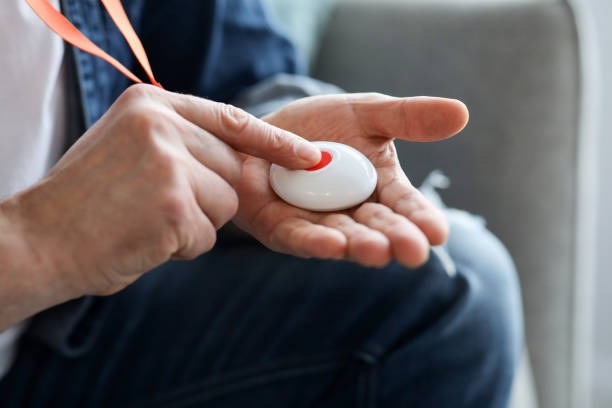
In modern healthcare environments, the integration of nurse call technology has become a pivotal advancement in enhancing patient support and overall care quality. Nurse call systems serve as a critical communication link between patients and healthcare providers, enabling timely responses to patient needs and improving the efficiency of medical staff. These technologies have evolved significantly from simple alert buttons to sophisticated, multifunctional systems that contribute to better patient outcomes and satisfaction.
At the core, nurse call technology facilitates immediate communication when patients require assistance. Traditional systems relied on basic wired buttons that activated a signal at a nurse’s station. However, today’s solutions incorporate wireless devices, mobile alerts, and integrated software platforms, allowing nurses and caregivers to receive notifications on smartphones, pagers, or centralized monitoring stations. This rapid communication ensures that patients receive prompt attention, which is crucial in emergency situations as well as routine care.
Beyond urgent alerts, advanced nurse call systems contribute significantly to workflow optimization. These systems often include features such as patient monitoring integration, task management, and analytics. By tracking response times and staff activity, healthcare facilities can identify bottlenecks and improve operational efficiency. This data-driven approach not only enhances patient care but also reduces staff fatigue and burnout by streamlining task allocation and prioritization.
Moreover, nurse call technology plays a vital role in improving patient satisfaction. When patients feel heard and supported, their overall hospital experience improves, which can positively impact recovery and reduce anxiety. Modern systems can also incorporate multimedia capabilities, allowing patients to communicate specific needs or preferences more clearly. This personalized interaction fosters a more compassionate care environment.
Security and reliability are paramount in nurse call technology. Healthcare providers must ensure that these systems are robust, HIPAA-compliant, and capable of functioning during power outages or network failures. Many manufacturers now offer solutions with backup power supplies and encrypted communication to safeguard patient data and maintain system uptime.
In conclusion, nurse call technology represents a significant advancement in patient support by bridging communication gaps, optimizing healthcare operations, and enhancing patient satisfaction. As hospitals and care facilities continue to adopt and innovate these systems, the quality and responsiveness of patient care will undoubtedly improve, making nurse call technology an indispensable component of modern healthcare delivery.